If you have ever wanted a home that feels like a real escape from the desert heat, Flagstaff stands out for a reason. Owning a second home here is less about simply having another address and more about having a mountain base you can return to in every season. From cooler summer mornings to snowy winter weekends, Flagstaff offers a very different rhythm than lower-elevation Arizona living. If you are considering a part-time home in northern Arizona, this guide will help you understand what day-to-day ownership really feels like. Let’s dive in.
Why Flagstaff Fits Second-Home Buyers
Flagstaff has a well-established second-home market. The City of Flagstaff’s 10-Year Housing Plan estimated 3,928 second homes within city limits, or about 22% of parcels, based on 2021 assessor data. That tells you second-home ownership is not a niche idea here. It is already part of how the local housing landscape works.
The city also points to a clear seasonal pattern behind that demand. Many buyers come to Flagstaff for relief from hotter lower-elevation climates, especially during summer, while others are drawn to winter visits and year-round recreation. For you as a buyer, that means you would be stepping into a market where part-time ownership is familiar and well suited to the setting.
What Daily Life Feels Like
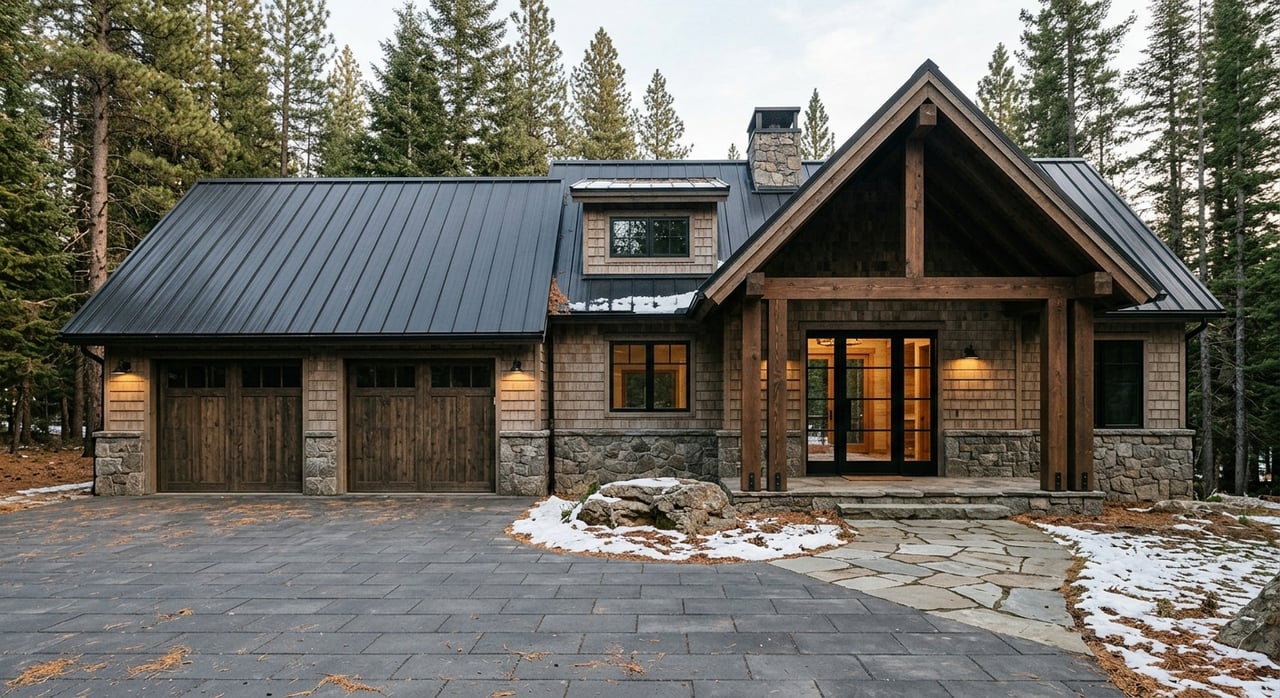
Owning a second home in Flagstaff feels different from owning one in a typical warm-weather getaway market. This is a true mountain town at just under 7,000 feet, set among ponderosa pines at the base of the San Francisco Peaks. The city describes itself as a mountain, ski, college, and outdoor town, and that mix shapes the lifestyle.
Part-time living here often feels active but relaxed. You might spend one weekend hiking or golfing, another enjoying downtown dining, and another simply using the house as a quiet retreat under dark skies. Because Flagstaff has both outdoor access and an established town core, your second home can feel practical as well as scenic.
Flagstaff Weather by Season
The climate is one of the biggest reasons buyers choose Flagstaff for a second home. NOAA normals for the Flagstaff 4 SW station at 7,125 feet show average January temperatures of 43.9 degrees for the high and 12.9 degrees for the low. In July, the average high is 81.6 degrees and the average low is 46.9 degrees.
That means summer here can feel refreshingly cool compared with much of Arizona. Mornings and evenings are especially pleasant, which often makes outdoor time a natural part of the day. For many second-home owners, that seasonal contrast is the whole point.
Winter is equally important to the ownership experience. Annual snowfall averages 65.3 inches, and the city notes that snow can extend into late spring. Wind is also common at this elevation, so your home and your plans need to account for real mountain weather rather than a light four-season variation.
July and August are typically the wettest months, which fits the monsoon pattern. That adds another layer to summer in Flagstaff. You get cooler temperatures, but you should also expect changing afternoon conditions during parts of the season.
Summer Ownership Has Its Own Appeal
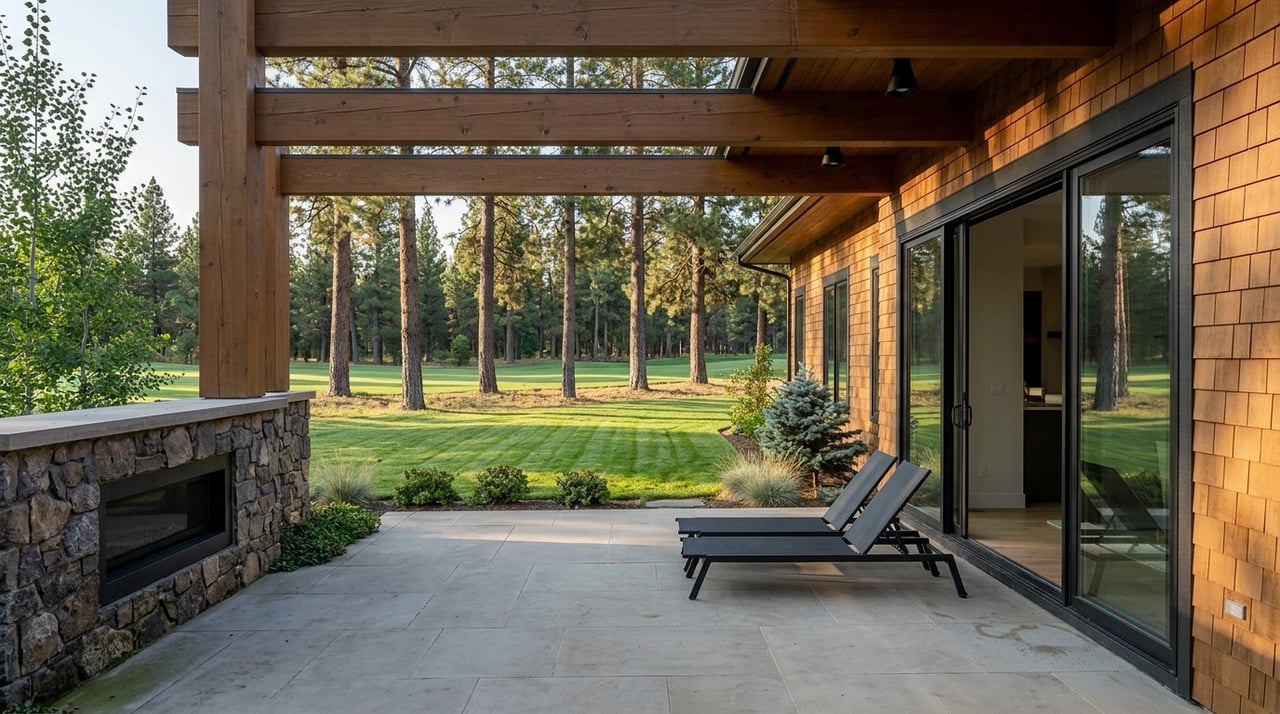
For many second-home buyers, summer is when Flagstaff shines brightest. While lower-elevation cities deal with intense heat, Flagstaff offers cooler air, pine forest surroundings, and a pace that encourages you to be outside. That can make the home feel immediately useful, not just aspirational.
Summer ownership is not only about escaping the heat. It is also about having options once you arrive. The Flagstaff Ranger District covers 849,249 acres around the city, with recreation that includes hiking, wildlife watching, boating, fishing, camping, and more.
The city’s FUTS shared-use trail system adds another layer of convenience. With trails for biking, walking, hiking, and running across the city, you do not always need to plan a full outing to enjoy the setting. Even a short weekend stay can feel full.
Winter Brings a Resort Feel
Winter gives Flagstaff a completely different personality. Snow, lower temperatures, and the mountain backdrop create a stronger resort-like atmosphere than many buyers expect from Arizona. If you want a second home that feels distinct from your primary residence, winter is a big part of Flagstaff’s appeal.
Arizona Snowbowl plays a central role in that seasonal identity. In winter, the resort focuses on skiing and snowboarding, which helps define the cold-season experience in town. For some owners, that turns the home into a base for active weekends. For others, it simply adds energy and atmosphere to the season.
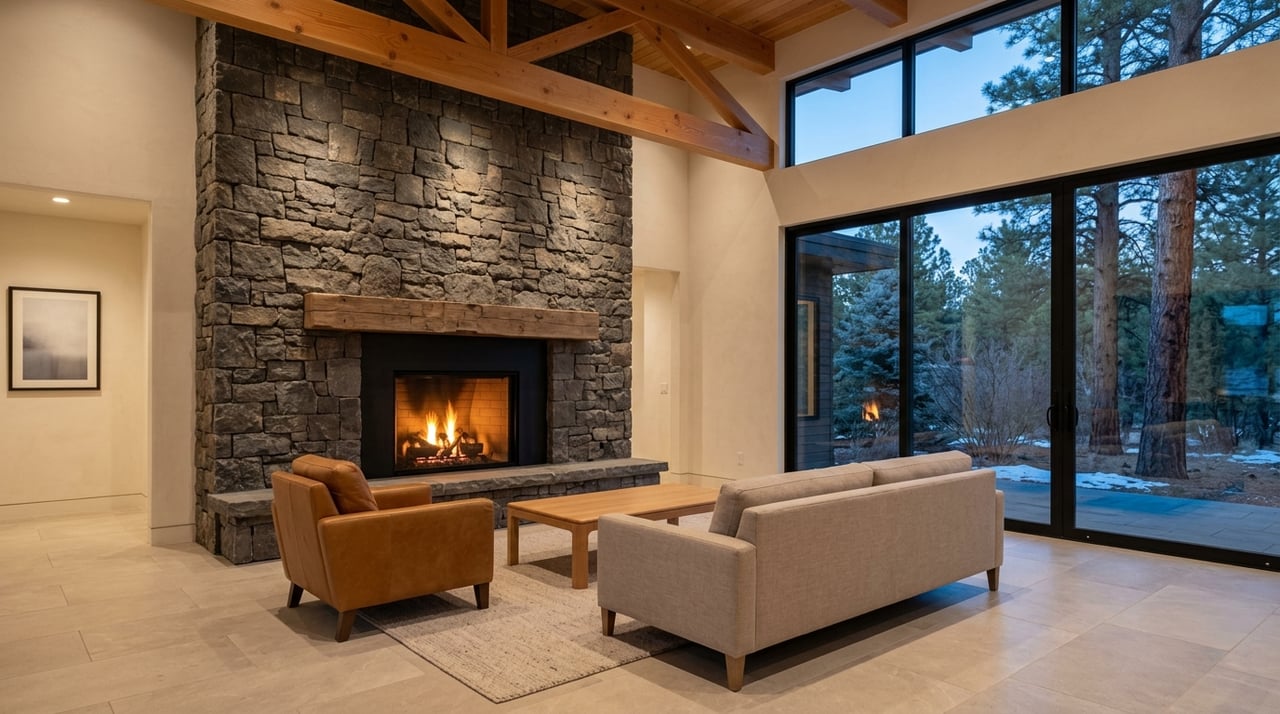
Even when you are not on the slopes, winter ownership can feel special. Snow-covered pines, crisp air, and evenings at home by the fire create the kind of reset many second-home buyers are looking for. That shift in mood is hard to replicate in lower-elevation markets.
Evenings Feel Different Here
One of Flagstaff’s most distinctive lifestyle features shows up after sunset. The city is the world’s first International Dark Sky City, which gives nighttime a very different feel from brighter urban areas. For a second-home owner, that can make the property feel more like a retreat.
Instead of city glare, you get darker skies, quieter nights, and stronger visibility of the stars. That may sound like a small detail at first, but it changes how the home is experienced. In a second-home setting, those quieter evening moments often become part of the value.
Outdoor Access Shapes Ownership
In Flagstaff, outdoor access is not just a bonus. It is part of everyday life. That matters because a second home tends to work best when it supports how you actually want to spend your time.
The surrounding forest and trail systems make spontaneous recreation easier. You can build a visit around a full day outdoors, or simply step out for a shorter walk or ride. That flexibility is one reason Flagstaff appeals to buyers who want the home to be used often, not just on major holidays.
For many owners, the best version of second-home living is simple. You arrive on a Friday, spend Saturday outside, have dinner downtown, and leave Sunday feeling like you had a real break. Flagstaff supports that kind of use very well.
Downtown Adds Convenience and Variety
A second home can lose some appeal if every visit feels isolated or overly dependent on private amenities. Flagstaff offers a different balance because downtown adds dining, retail, and nightlife within a walkable core. Local planning materials describe downtown as a key engine for tourism and retail, and the dining district highlights restaurants, bars, patios, and nightlife.
That gives ownership more range. One trip might center on outdoor activity, while another might be more social and relaxed. You are not limited to one style of weekend.
This is especially useful if you host family or friends. Different guests may want different experiences, and Flagstaff can support a mix of trail time, golf, dining, and simply enjoying the setting.
Golf Communities Can Simplify Part-Time Living
For many luxury buyers, the most appealing version of a Flagstaff second home is within a golf or club-oriented community. These neighborhoods often combine mountain scenery with amenities that make part-time ownership easier. That combination can be especially attractive if you want comfort, convenience, and a stronger lock-and-leave feel.
Pine Canyon describes itself as being at 7,000 feet in the world’s largest ponderosa pine forest and notes a club-cabin option for members and prospective owners. Flagstaff Ranch says it sits at 7,238 feet and offers a staffed gatehouse, 24/7 on-site EMT, golf, dining, tennis, pickleball, fitness, and club amenities. Forest Highlands states that it offers two renovated clubhouses, two championship courses, and 24/7 security.
For a part-time owner, features like secure entry, established amenities, and hospitality-oriented community structure can reduce friction. You may spend less time worrying about logistics and more time enjoying the property. That is a major reason these communities remain top choices for second-home buyers in Flagstaff.
Lock-and-Leave Matters More Than You Think
When you own a second home, convenience matters just as much as beauty. A home can be stunning, but if it feels difficult to leave unattended, ownership becomes less relaxing. That is why many buyers focus closely on neighborhood setup, access, and ongoing maintenance demands.
In Flagstaff, lock-and-leave appeal often comes from community design and services rather than from the city itself. Secure entry, managed amenities, and homes designed for seasonal use can make a real difference. If you plan to come and go throughout the year, that lifestyle fit is worth weighing carefully.
Know the Practical Side of Ownership
Flagstaff’s beauty comes with real mountain-town responsibilities. Fire awareness is part of ownership here, and the City of Flagstaff posts fire restriction stages while coordinating wildfire management with county, state, and federal agencies. If you own property in the area, you should expect seasonal awareness around wildfire conditions and outdoor activity restrictions.
Home maintenance also needs to match the setting. Buyers should be prepared for defensible-space upkeep and the realities of snow, wind, and seasonal weather exposure. A second home here is rewarding, but it works best when you plan for the environment rather than treating it like a low-desert property.
Rental Rules Can Affect Your Plan
If you think you may rent the home at any point, even occasionally, it is important to understand the local rules before you buy. The City of Flagstaff requires a short-term rental license, an Arizona TPT license, an emergency contact, neighbor notification, and annual renewal for short-term rentals. The city also notes that it does not enforce HOA rules.
That means your property search should include both city requirements and any community covenants that may apply. Rental flexibility can vary by neighborhood and property type. If rental use is part of your long-term plan, that should be part of your decision from the start.
Budget Beyond the Purchase Price
Your second-home budget should include more than the purchase itself. Arizona property taxes are administered at the county level, with valuation by the county assessor and collection by the county treasurer. In practice, that means you should review local tax obligations as part of your ownership planning.
You may also need to account for HOA dues, club costs, seasonal maintenance, and service needs tied to part-time occupancy. Those details can shape how comfortable the ownership experience feels over time. A well-chosen home is not just the one you love on day one, but the one that fits how you want to use it year after year.
Who Flagstaff Second-Home Living Suits Best
Flagstaff tends to suit buyers who want a true seasonal retreat rather than a second address that feels similar to their primary home. It can be a strong fit if you want cooler summers, access to golf and outdoor recreation, and a setting that feels tucked into the pines. It also works well if you value a home that can support both quiet escapes and social weekends.
This lifestyle often appeals to buyers coming from warmer metro areas who want meaningful seasonal contrast. It also makes sense for buyers who appreciate private-club living, secure community features, and a mountain-town atmosphere with real year-round use. In other words, the best fit is often someone buying for lifestyle first and square footage second.
If you are exploring a second home in Flagstaff, the right property is rarely just about finishes or views. It is about matching your goals to the way you want to live here, season by season. If you want thoughtful guidance on Flagstaff golf communities, mountain neighborhoods, and luxury second-home opportunities, connect with Randall Dagenais Luxury Group.
FAQs
What is second-home living like in Flagstaff?
- Second-home living in Flagstaff is shaped by cool summers, snowy winters, forest surroundings, outdoor recreation, and a downtown core that adds dining and nightlife to the experience.
Is Flagstaff a popular place to own a second home?
- Yes. The City of Flagstaff’s 10-Year Housing Plan estimated 3,928 second homes within city limits, representing about 22% of parcels based on 2021 assessor data.
What weather should second-home owners expect in Flagstaff?
- You should expect a true four-season mountain climate, with average January temperatures of 43.9 degrees high and 12.9 degrees low, average July temperatures of 81.6 degrees high and 46.9 degrees low, and average annual snowfall of 65.3 inches.
Do Flagstaff golf communities work well for second homes?
- Many buyers find that club communities work well for second homes because features such as secure entry, amenities, and community infrastructure can make part-time ownership feel easier and more comfortable.
Can you rent out a second home in Flagstaff?
- If you plan to use the home as a short-term rental, the City of Flagstaff requires a short-term rental license, an Arizona TPT license, an emergency contact, neighbor notification, and annual renewal, and HOA rules may also apply.
What should buyers budget for with a Flagstaff second home?
- In addition to the purchase price, you should plan for county-administered property taxes, possible HOA or club costs, seasonal maintenance, and upkeep related to mountain weather and part-time occupancy.