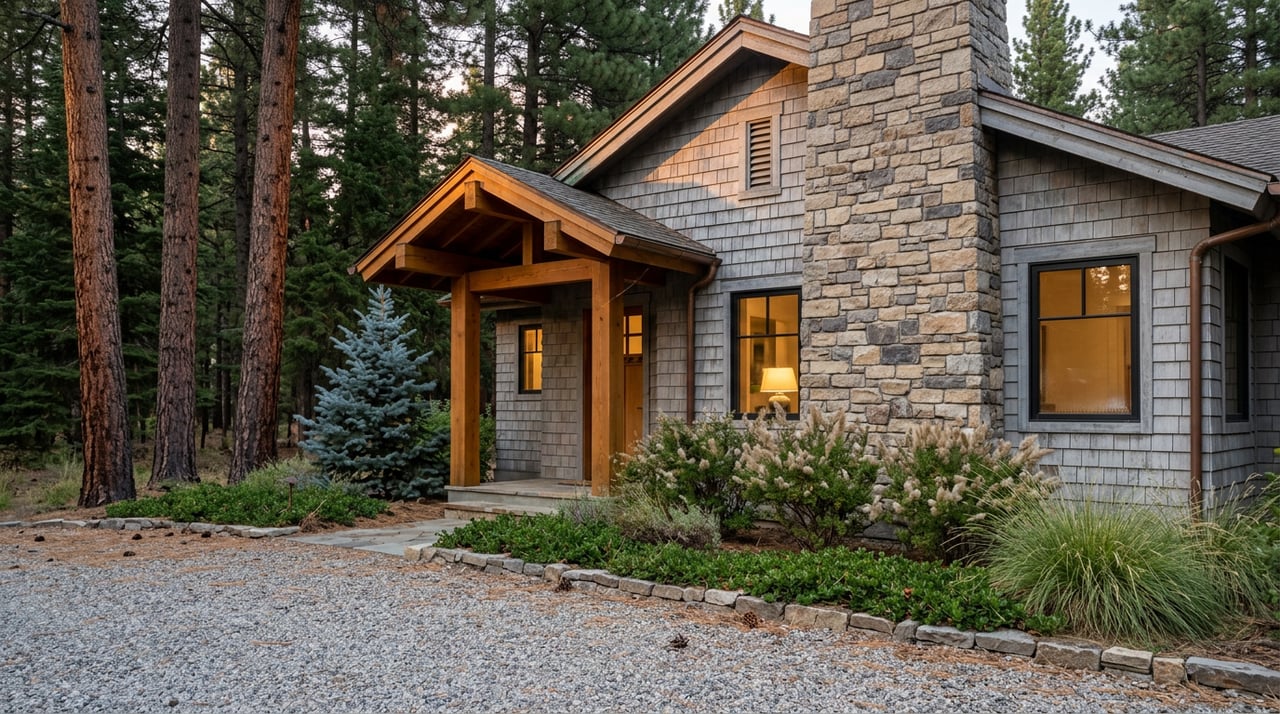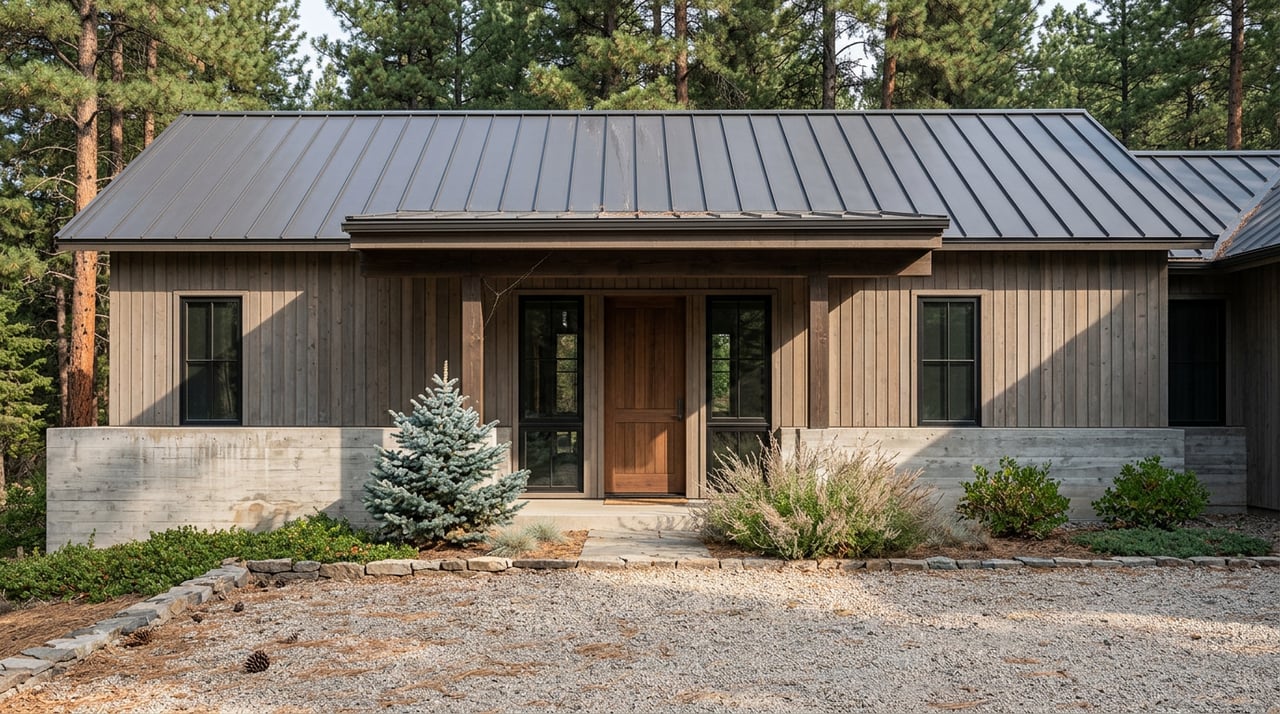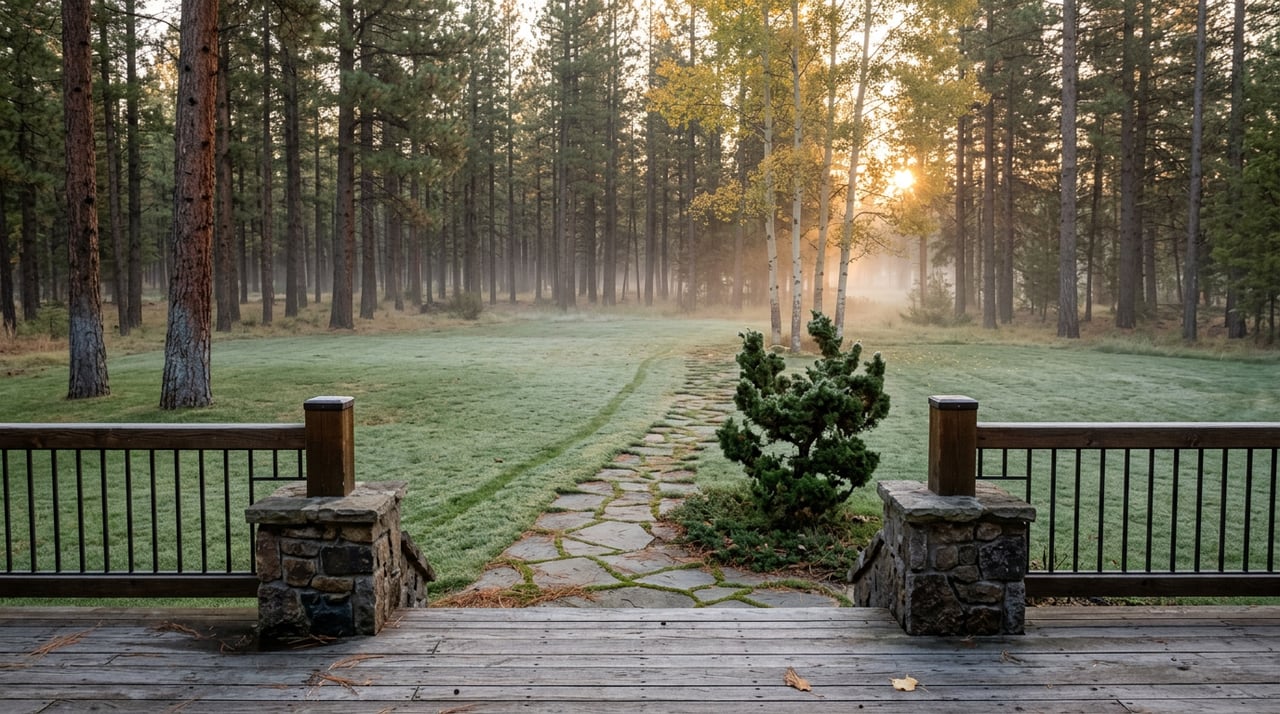
A recent course review of Flagstaff Ranch Golf Club noted, almost in passing, that several greens had been chewed up by elk the night before the round. The staff didn't treat it as a defect. They factored it out of the conditioning score entirely, the way you'd shrug off a delayed flight because of weather. It's just what September does to a golf course built inside a ponderosa forest.
That detail is easy to read as color and move on. It shouldn't be. It's the clearest evidence available that the line between "forest" and "neighborhood" in Flagstaff is administrative, not physical. The elk that reshape a green overnight aren't wandering in from somewhere else. They're following a route that predates the fairway, and for a few weeks every fall, that route runs straight through it.
A Migration Corridor With a County File Number
This isn't a guess about animal behavior. It's documented. Coconino County's community assessment report for Forest Highlands states plainly that the Oak Creek Canyon wildlife migration corridor, used by white-tailed deer, bear, javelina, and elk, runs along the western edge of that community. The report also notes Forest Highlands is accessible only from State Route 89A and sits surrounded on three sides by the Coconino National Forest.
Put those two facts together and the picture is simple: a gated golf community with a single road in has a documented, county-mapped wildlife corridor running along its boundary. The elk crossing that line every fall aren't trespassing. They were there first, and the paperwork agrees.
This Year's Calendar, If You're Timing It
Arizona's elk rut and Arizona's elk hunting seasons overlap almost exactly, which means the same weeks that show up on a hunter's calendar also show up as the loudest, most active stretch of the year for anyone who lives near open meadow or forest edge.
| Window (2026) | What's happening | Why it matters if you don't hunt |
|---|---|---|
| Aug 28 – Sep 12 | AZGFD's Region 2 office in Flagstaff runs a volunteer habitat project at Holloway Springs | State wildlife managers are actively maintaining the same water sources elk depend on heading into rut |
| Sep 11 – Sep 24 | Arizona's 2026 archery bull elk season | Bulls are already bugling and moving during daylight before the rut fully peaks |
| Sep 25 – Oct 1 | Arizona's 2026 rut firearms bull season | Falls inside the window Arizona State Parks describes as peak rut, when bugling bulls are easiest to hear at dawn and dusk |
The AZGFD detail is worth sitting with. The department's Region 2 office sits on South Lake Mary Road in Flagstaff, and its own volunteers are out this exact week hauling water to catchments the elk use. This isn't a seasonal legend passed around at the hardware store. It's an active state project running in real time, in the same weeks this post is being read.
Arizona State Parks describes the rut itself as running from September into early October, with bugling most audible in the first and last hours of daylight. That's the same dawn and dusk window residents in forested neighborhoods already associate with cooler temperatures and quieter roads. This year, it comes with a soundtrack.
Lake Mary Road Is Not a Metaphor
Lake Mary Road, officially Forest Highway 3, is one of the most reliable elk-viewing corridors near Flagstaff. Wildlife guides point visitors toward the pullouts near Lower and Upper Lake Mary specifically because elk feed in those meadows at dawn and dusk through summer and fall. It's a genuinely good place to see them.
It's also a road where the risk is not theoretical. The Arizona Daily Sun reported that a 49-year-old motorcyclist died on Lake Mary Road in May 2026 after colliding with an elk, roughly 20 miles south of Flagstaff. That single fact should recalibrate how anyone reads the "great wildlife viewing" framing. The same low light that makes bugling audible and elk visible is the same low light that shortens a driver's reaction time on a two-lane forest highway. As rut activity increases through September and into October, dawn and dusk both become higher-stakes windows on this specific stretch of road, not because the road changed, but because the animals using it are more active and less predictable than they are the rest of the year.
What Actually Changes for Golf-Community Residents This Month
At Flagstaff Ranch, the pattern is already on the record: greens and fairways carved from the surrounding pine forest take overnight elk activity as a routine cost of the setting, not a maintenance failure. Course staff account for it and move on.
Forest Highlands' situation is a little different but points at the same underlying fact. The county's own documentation places an active wildlife corridor along the community's western boundary, which means the elk traffic isn't hypothetical there either. It's mapped.
None of this is a complaint dressed up as trivia. It's the actual mechanism behind why these neighborhoods feel the way they do in September. A few adjustments worth making this month, based on what's actually documented:
- Give elk the right of way on Lake Mary Road and the 89A corridor near Forest Highlands, especially in the first and last hour of daylight, which Arizona State Parks identifies as peak elk activity this time of year.
- Treat any overnight turf disruption on a forest-adjacent course as ordinary seasonal wear rather than a service issue. Course staff already do.
- If you're near the western edge of Forest Highlands, listen for bugling near dusk. You're standing next to a documented travel corridor, not imagining things.
The Overlap Is the Point
What makes this season distinct isn't the elk showing up. It's how many different calendars line up at once, the state hunting seasons, the wildlife agency's own habitat work, and the ordinary rhythm of driving home or teeing off at sunset. For a few weeks, those calendars run on top of each other, and the result is a version of Flagstaff that a Phoenix suburb or a Scottsdale golf enclave simply doesn't produce. The corridor was mapped by the county because it was already there. The rut didn't move in. It's the forest doing what a documented migration corridor has always done, on a schedule the state's own wildlife managers are keeping right now.
If you're the kind of person who wants to understand a place at this level of detail, that's the whole point of paying attention to a neighborhood before you commit to it, or after you already have. Shane Randall and Marie-France Dagenais at Randall Dagenais Luxury Group spend their time in exactly these details, the ones that explain why a golf community feels the way it does in a given month, not just what it looks like in a listing photo. If you have questions about life in Flagstaff's mountain neighborhoods, from Forest Highlands to Flagstaff Ranch, reach out. Contact Us.